The 2026 IRS filing season is officially underway, and millions of taxpayers are racing to submit returns early in hopes of faster refunds. With inflation still impacting household budgets, many Americans are depending on their tax refund more than ever. But confusion about processing times and key deadlines is causing uncertainty.
Understanding how the 2026 filing season works, when refunds are typically issued, and which deadlines you cannot afford to miss can help you avoid costly mistakes.
When the 2026 IRS Filing Season Begins
The IRS traditionally begins accepting federal income tax returns in late January. Once your return is electronically filed and accepted, it enters the processing system.
Early filing generally increases the likelihood of receiving your refund sooner. As the April deadline approaches, the volume of returns increases significantly, which can slow down processing for late filers.
Submitting your return early, especially if you expect a refund, remains one of the smartest strategies.
Key Tax Deadlines You Should Not Miss
The most important deadline during the 2026 filing season is typically mid April, when individual federal income tax returns are due. Missing this deadline without filing an extension may result in penalties and interest if taxes are owed.
If you cannot file by the deadline, you can request an extension. However, an extension only provides more time to file paperwork, not more time to pay any taxes due. Payment is still expected by the original deadline to avoid penalties.
Marking these dates clearly on your calendar helps prevent last minute stress.
Standard Refund Processing Time in 2026
For taxpayers who file electronically and choose direct deposit, refunds are typically issued within 21 days of acceptance. This is the standard processing window for straightforward returns without errors or additional review requirements.
Refund tracking usually moves through three stages. First, return received. Second, refund approved. Third, refund sent. After the refund is sent, banks may take several business days to post funds to your account.
Electronic filing combined with direct deposit remains the fastest option.
Why Some Refunds Take Longer
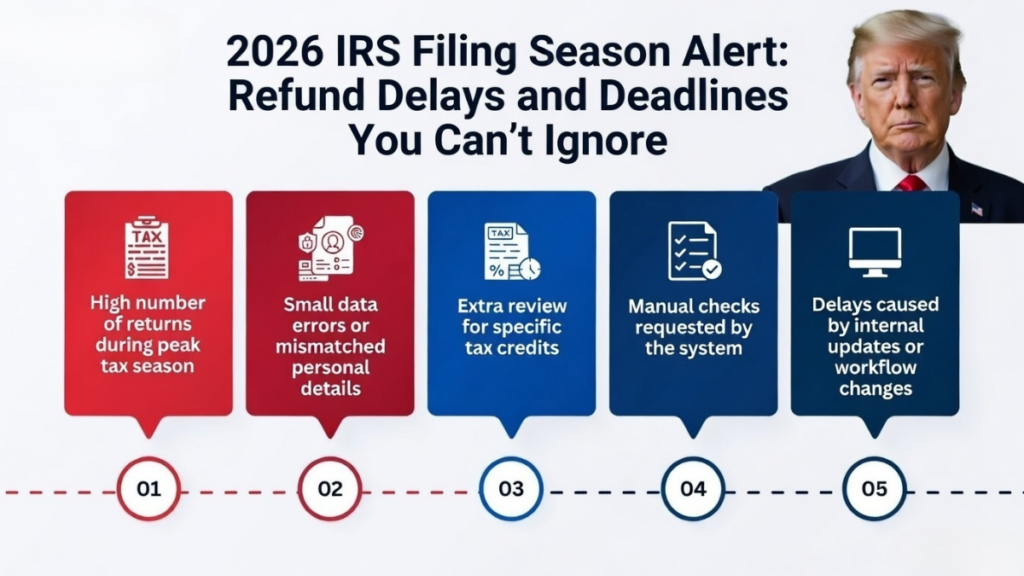
Not all returns are processed within the 21 day timeframe. Several factors can cause delays.
Returns claiming refundable credits such as the Child Tax Credit or Earned Income Tax Credit may require additional review. Identity verification measures are also more common in recent years to prevent fraud.
Incorrect Social Security numbers, mismatched income records, and bank account errors can trigger manual processing. Paper filed returns may take six to eight weeks or longer.
Accuracy is critical to avoiding delays.
How to Check Your Refund Status Safely
The IRS provides an official refund tracking system that allows taxpayers to monitor their refund status securely. To check your status, you will need your Social Security number or ITIN, filing status, and exact refund amount.
Be cautious of emails or text messages claiming to confirm your refund. The IRS does not initiate contact through unsolicited communication requesting sensitive information.
Using only official IRS tools protects both your refund and your identity.
Tips to Get Your Refund Faster
There are several proven ways to reduce refund processing time.
File electronically rather than mailing your return. Select direct deposit instead of waiting for a paper check. Double check personal details, income reporting, and bank information before submission. Respond promptly to any IRS verification requests.
Taking these steps significantly increases the likelihood of receiving your refund quickly.
What Happens If You Owe Taxes
Not every taxpayer receives a refund. If you owe taxes, payment is due by the filing deadline to avoid penalties and interest.
Even if you request a filing extension, payment is still expected on time. Setting up a payment plan may be an option if you cannot pay the full amount immediately.
Understanding your obligations prevents unexpected fees.
Planning Around Your Refund
While many households rely on tax refunds for major expenses, it is important not to depend on an exact deposit date. Delays can occur due to high filing volume or additional review requirements.
Creating a flexible financial plan helps manage expectations and reduces stress during the filing season.
Using your refund strategically for savings or debt reduction can improve long term financial health.
Conclusion
The 2026 IRS filing season follows familiar timelines, but processing speed depends heavily on how and when you file. Most electronic filers choosing direct deposit receive refunds within 21 days, while paper filers may wait significantly longer.
Meeting key deadlines, filing accurately, and using secure tracking tools are essential for a smooth experience. Staying informed ensures you avoid penalties, reduce delays, and receive your refund as efficiently as possible.
Disclaimer: Tax deadlines and refund processing times may vary depending on individual circumstances and IRS procedures. Taxpayers should verify information through official IRS resources for the most accurate and current updates.